Key takeaways
- Document the house before changing anything.
- Protect the original features that give the home character.
- Plan modern systems carefully so they do not damage old fabric.
- Historic overlays may require review before changes.
Document first
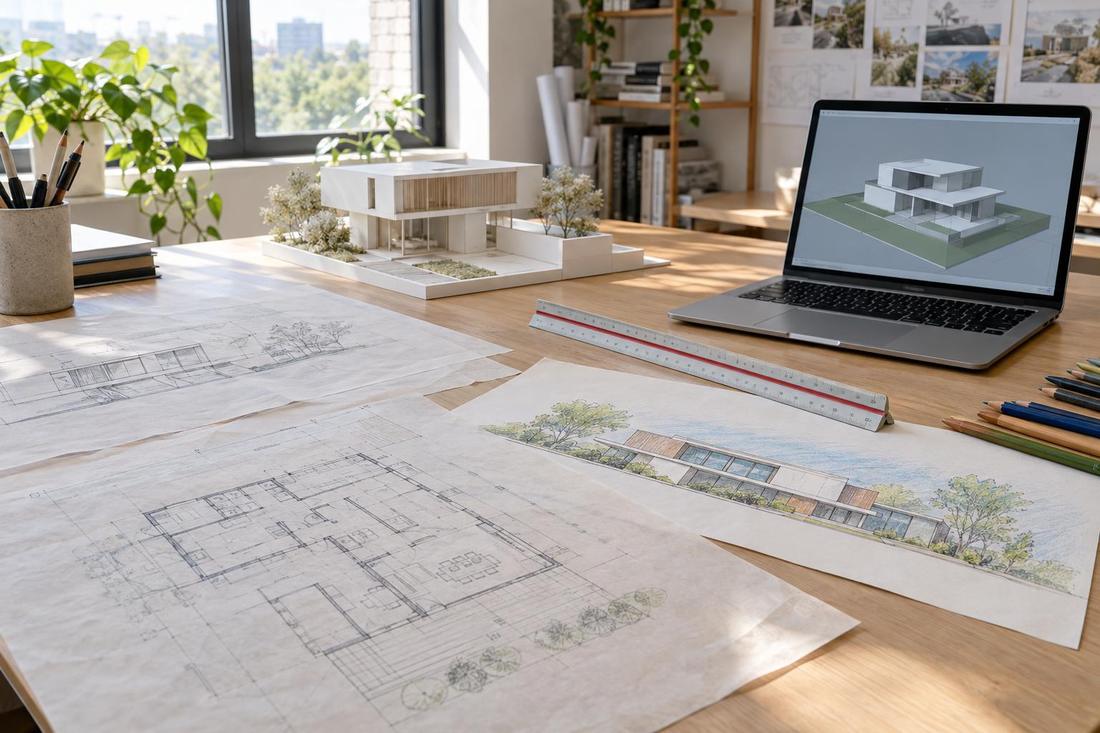
Measure, photograph and note original features such as windows, trim, floors, fireplaces and rooflines. Old photographs and neighbors' houses can reveal missing details. Documentation guides what to save and what to replace.
It also supports applications to review boards.
Protect character
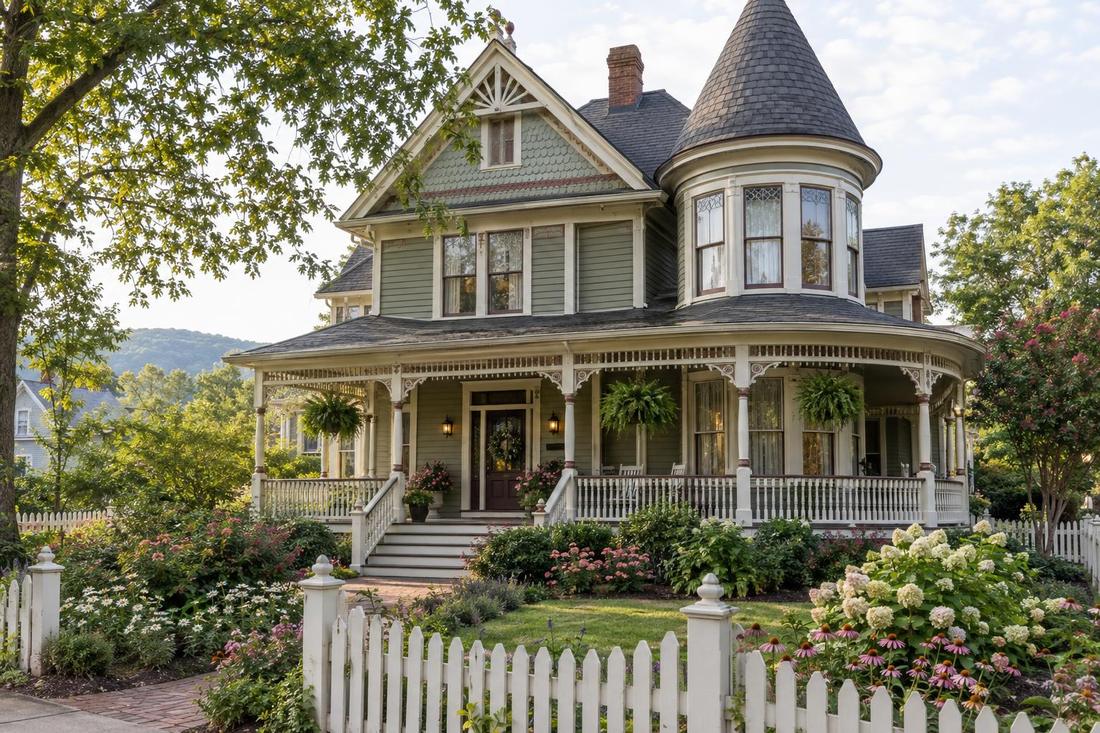
Original windows, trim and materials are hard to replace and give older homes their charm. Repair when possible and replace carefully when not. The National Park Service publishes guidance for preserving historic buildings.
New work can be compatible without copying the old.
Update systems
Wiring, plumbing, insulation and heating often need updating. Plan routes that avoid damaging original plaster, trim and structure. Energy upgrades such as attic insulation and storm windows can respect the original look.
Ask specialists who work on older buildings.
Work with review boards
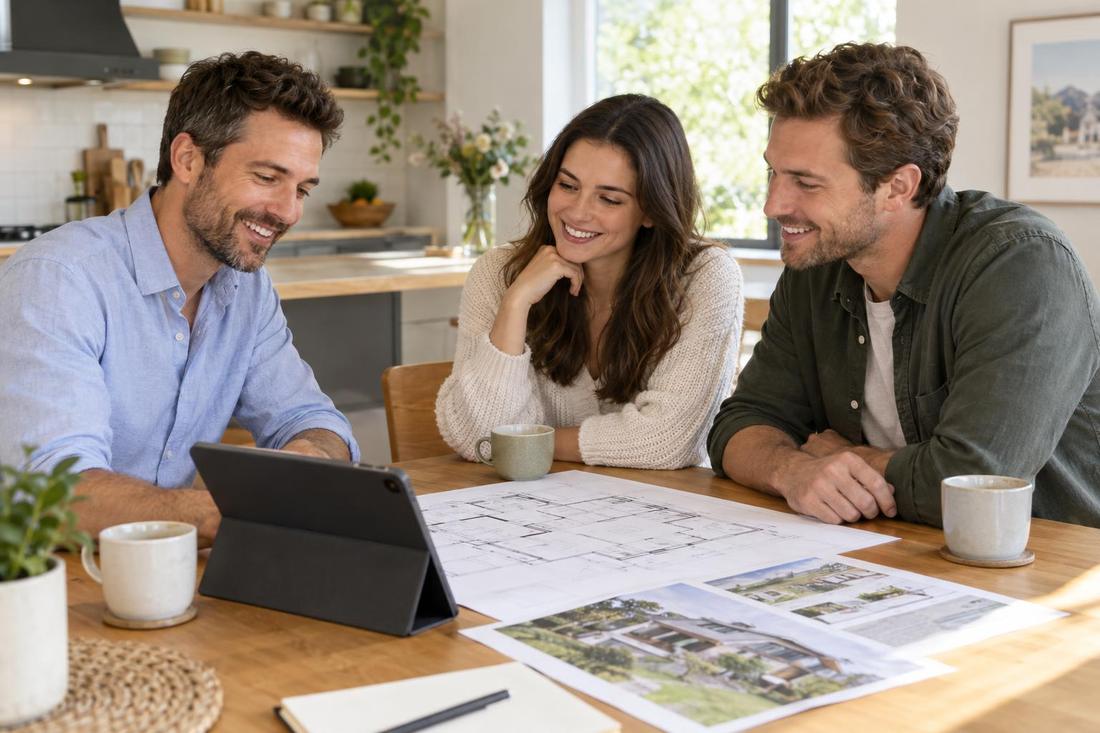
In historic overlays, changes to exteriors and sometimes interiors may need approval. Review boards look at materials, proportions and compatibility. Clear drawings and photographs help, and early meetings with staff avoid surprises.
We prepare drawings for review.
Official sources and further reading
- National Park Service: Technical Preservation Services
- Metro Nashville Codes
- American Institute of Architects
These are independent organizations. Links open in a new tab.
Quick answers
Can I add on to a historic home?
Often yes, if the addition is compatible and approved where required.
Should I replace old windows?
Repair is often possible and keeps character. Replacement needs care.